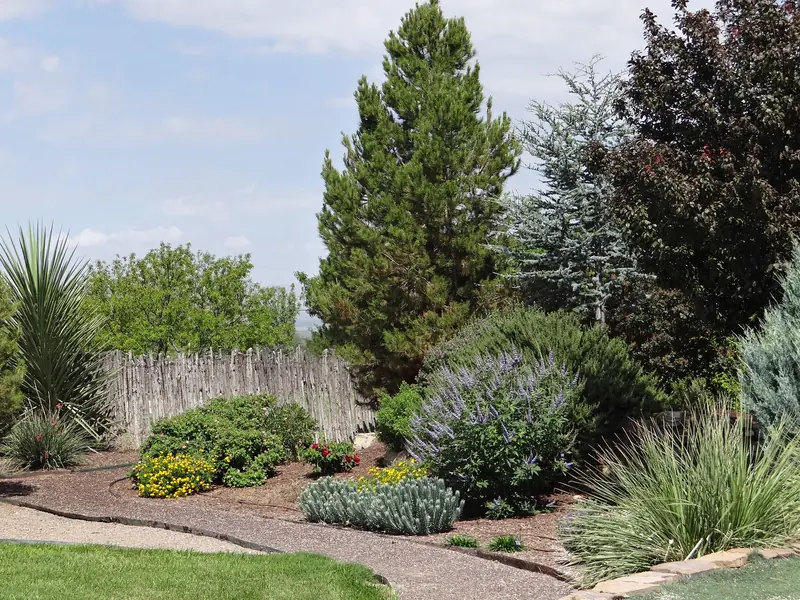
Turk's cap
Malvaviscus arboreus var. drummondii
Fills dry shade fast. Birds eat the small red fruit.
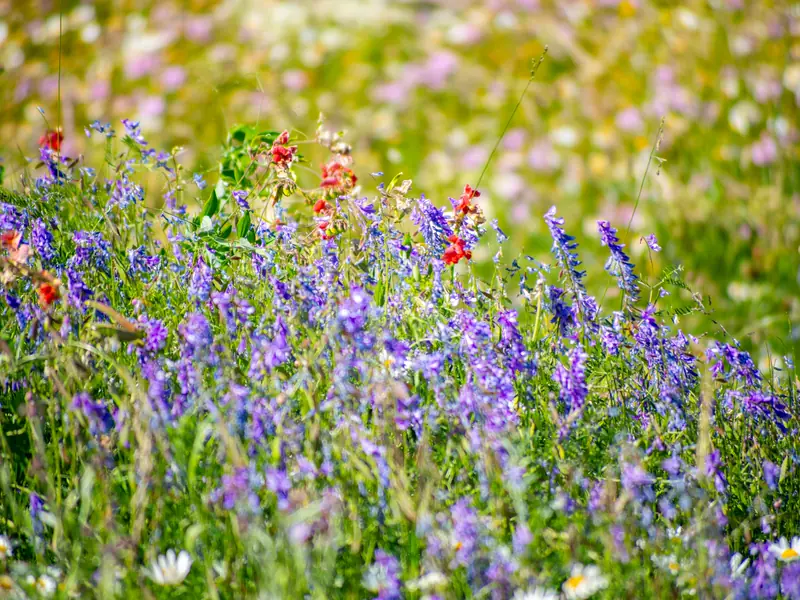
Native landscapes for Austin and the Hill Country
We replace thirsty lawn with Texas native gardens, meadows and rain gardens. Most of what we plant gets by on rainfall after its first summer.

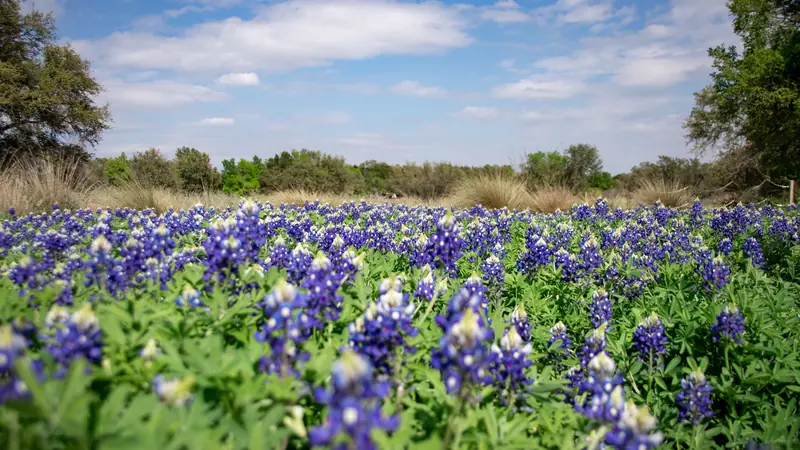
Specimen No. 01Texas bluebonnetLupinus texensisFull sun · Very low water · Blooms March to April
Why native
Central Texas natives evolved with limestone soil, July heat and flash floods. Put the right one in the right spot and it stops needing you.
Established natives live on rainfall in most years. We set irrigation for the first summer, then turn it down or off.
No weekly mowing and no fertilizer schedule. A native garden needs a cutback in late winter and a few hours of weeding a season.
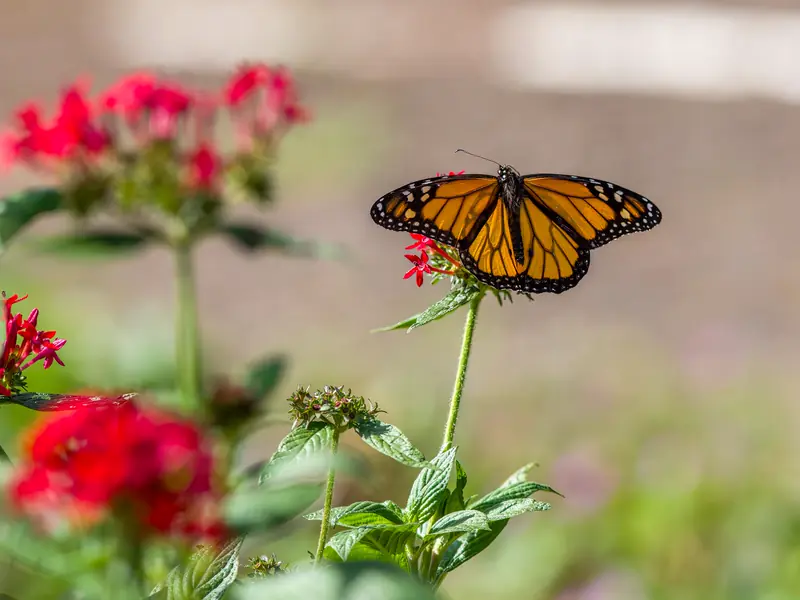
Bees, butterflies and birds find food from February to November, and monarchs find milkweed on their way through.
What we do

Replace St. Augustine with wildflowers and native grasses.
Learn more
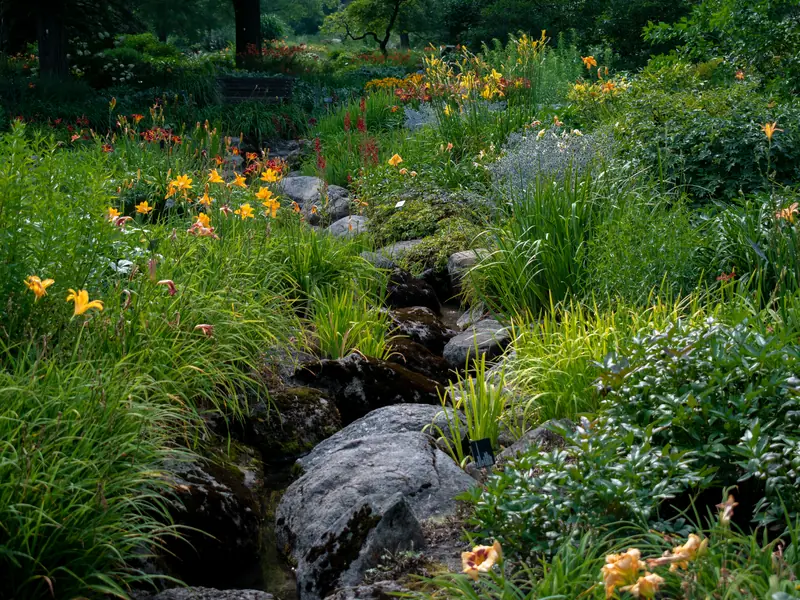
Planted so something blooms from February to November.
Learn more
Slow storm runoff, stop erosion and water the garden for free.
Learn more
Limestone, gravel and tough natives for the hottest, driest spots.
Learn moreFrom the plant library
Our library lists 30 Central Texas natives we plant most, with light, water, bloom and wildlife for each. Save the ones you like and bring the list to your site walk.
Malvaviscus arboreus var. drummondii
Fills dry shade fast. Birds eat the small red fruit.
Asclepias asperula
Monarch caterpillars feed on it. Needs sun and fast drainage.
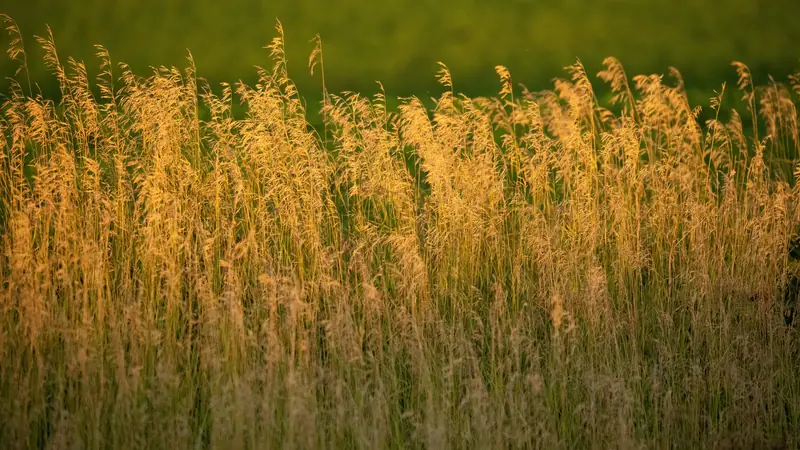
Schizachyrium scoparium
Blue-green in summer, copper all winter. Cut back in February.
Callicarpa americana
Bright purple berry clusters in fall. Mockingbirds love them.

Featured project · Travis Heights
2,400 sq ft of St. Augustine, watered twice a week, mowed every Saturday.
46 native species, no irrigation since the first summer, mowed once a year.
The neighbors stop to ask what is blooming. Our water bill dropped by half the first summer.
How it works
We test your soil, map sun and shade, and watch where water runs. One hour, $150, credited to your design.
Week 1You get a drawn plan and a plant list chosen from our library, with costs and a care calendar.
Weeks 2 to 4We remove lawn without chemicals, amend where needed, plant, mulch and set temporary irrigation.
Fall or early springSeasonal visits for two years: weeding, cutbacks, replacements and watering adjustments.
Two yearsWorkshops
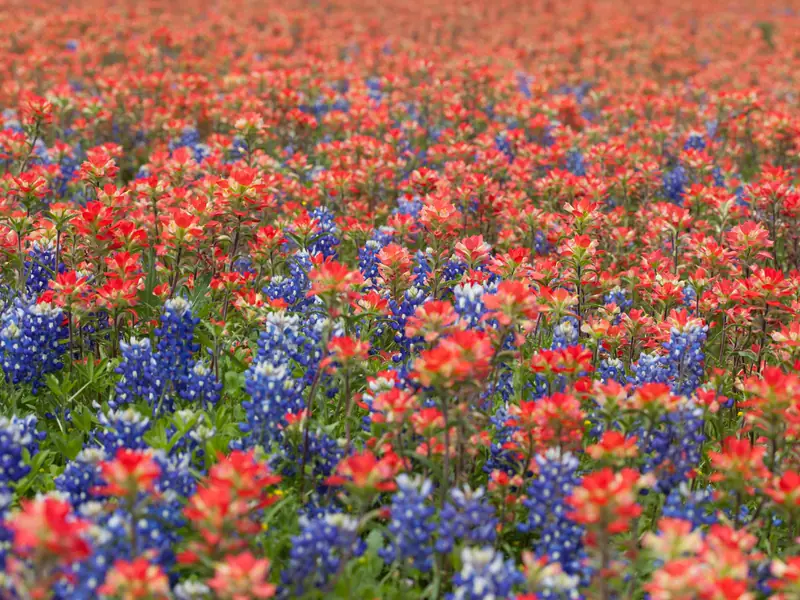
Site prep, seed mix and timing for bluebonnets, paintbrush and Indian blanket. You go home with a seed mix sized for your yard.
Why fall is the best time to plant in Central Texas, how deep to dig, and how to water a new tree through its first summer.

We test the soil, map sun and water, and tell you what will grow. $150, credited to your design.